As the warmer weather rolls in, many of us start dreaming about the perfect outdoor spaces for entertaining. The idea of having friends and family gathered around a beautifully designed outdoor kitchen is both exciting and inviting. This post is here because I know many of you are looking for fresh and sustainable outdoor kitchen design ideas that make entertaining easy and enjoyable.
If you’re someone who loves hosting gatherings, barbecues, or simply enjoying a quiet meal under the stars, you’re in the right place. This guide is tailored especially for you. You’ll discover 14 creative outdoor kitchen design ideas that not only elevate your backyard but also promote sustainable living. Each suggestion is crafted to help you create outdoor cooking spaces that blend style with functionality, making every meal a memorable experience.
Get ready to explore patio design inspiration that embraces eco-friendly materials, modular setups, and even vertical gardens for fresh ingredients. By the end of this post, you will have a treasure trove of outdoor dining setups and backyard entertaining tips to transform your space into a welcoming oasis for all occasions.
Key Takeaways
– Explore eco-friendly materials that make your outdoor kitchen both stylish and sustainable, contributing to an environmentally friendly lifestyle.
– Discover modular outdoor cooking spaces that can be customized to fit your backyard, offering flexibility and ease of use for all cooking styles.
– Learn about compact outdoor cooking stations ideal for smaller patios, maximizing your space without sacrificing functionality.
– Get tips on creating aesthetic lighting solutions that enhance your outdoor dining experience, making evening gatherings cozy and inviting.
– Find inspiration in upcycled furniture and decor, adding unique personal touches while supporting sustainable practices.
1. Eco-Friendly Materials
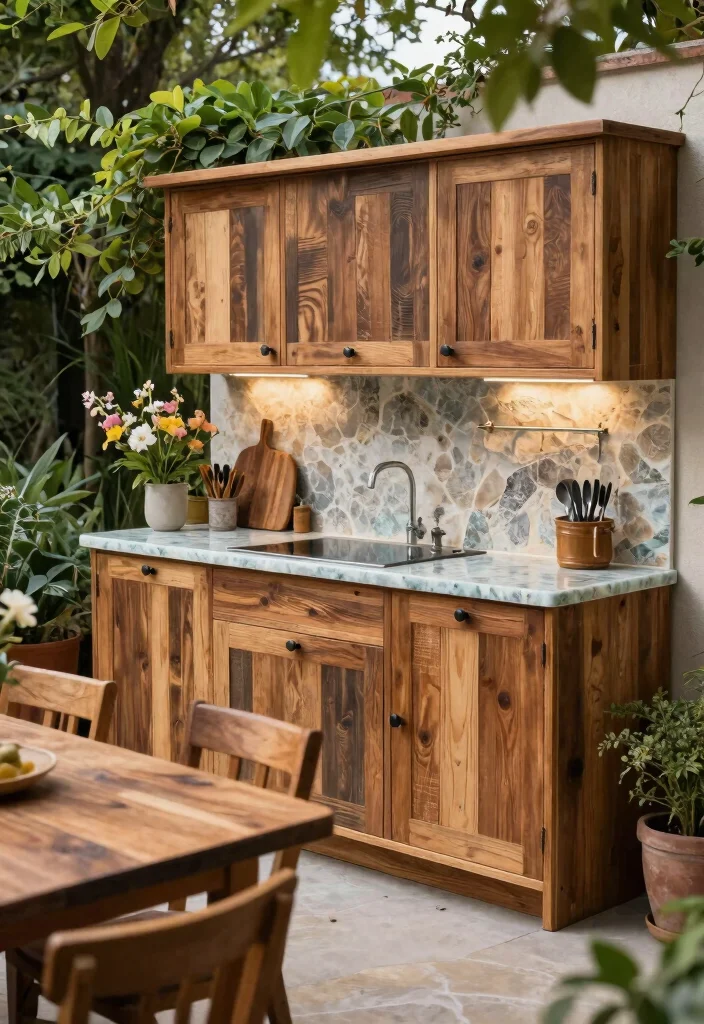
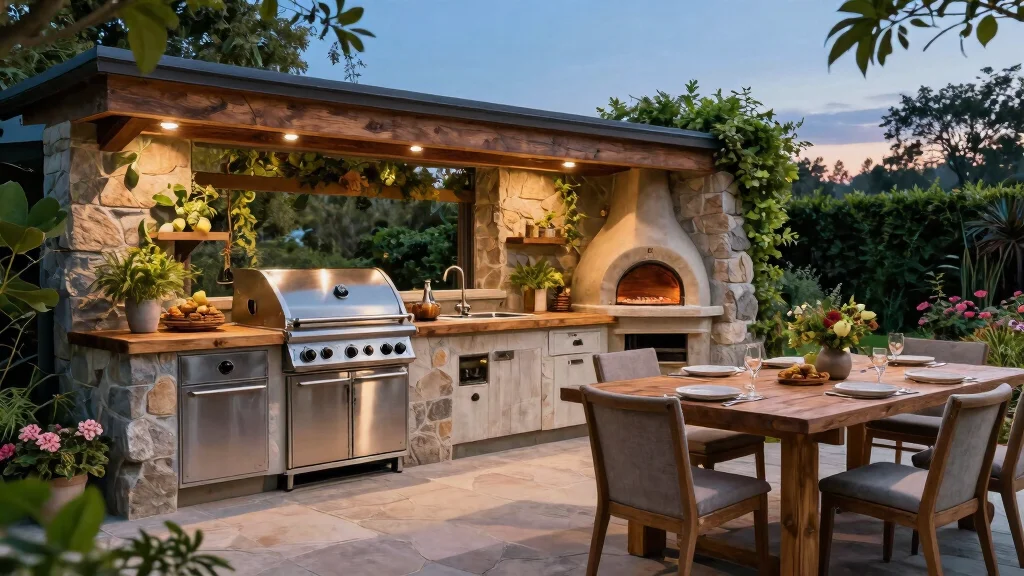
Embracing eco-friendly materials is essential for a sustainable outdoor kitchen. Reclaimed wood for cabinetry and countertops adds character while minimizing environmental impact. Pair this with durable, recycled surfaces like concrete or glass that blend style with longevity, ensuring your kitchen remains a timeless space for gatherings.
To enhance your design, consider natural stone elements that elevate aesthetics and promote sustainability. Stainless steel appliances are also a great choice, being both recyclable and energy-efficient, contributing to a greener lifestyle.
Key Benefits:
– Reduce carbon footprint
– Support local artisans
– Add unique charm to your kitchen
Tips: Always verify certifications, like FSC (Forest Stewardship Council), for wood products to guarantee sustainable sourcing.
As you plan outdoor kitchen design ideas, did you know eco-friendly materials can cut new resource use by up to 40%? Reclaimed wood for cabinetry plus durable recycled surfaces like concrete or glass creates a timeless outdoor kitchen that’s stylish and sustainable.
2. Modular Outdoor Cooking Spaces
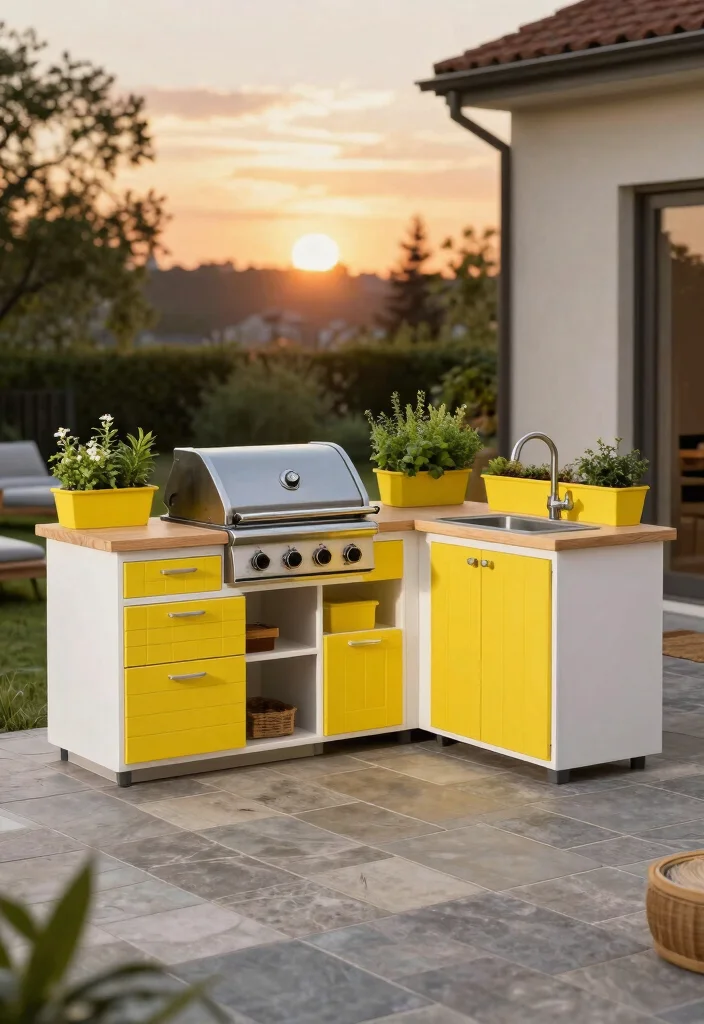
Modular outdoor cooking spaces bring flexibility to your outdoor design. These setups let you easily mix and match components like grills, sinks, and storage, creating a layout tailored to your needs and aesthetic preferences. This adaptability is ideal for hosting, allowing you to adjust your kitchen for both intimate dinners and larger gatherings.
Utilizing modular units enables you to reconfigure your outdoor kitchen for seasonal changes or specific events, making the most of your space. This design can accommodate various trends, while enhancing functionality.
Benefits of Modular Designs:
– Customize according to needs
– Space-saving solutions available
– Easy upgrades with new components
Suggestions: Opt for weather-resistant materials to ensure the longevity of your modular kitchen.
3. Compact Outdoor Cooking Stations
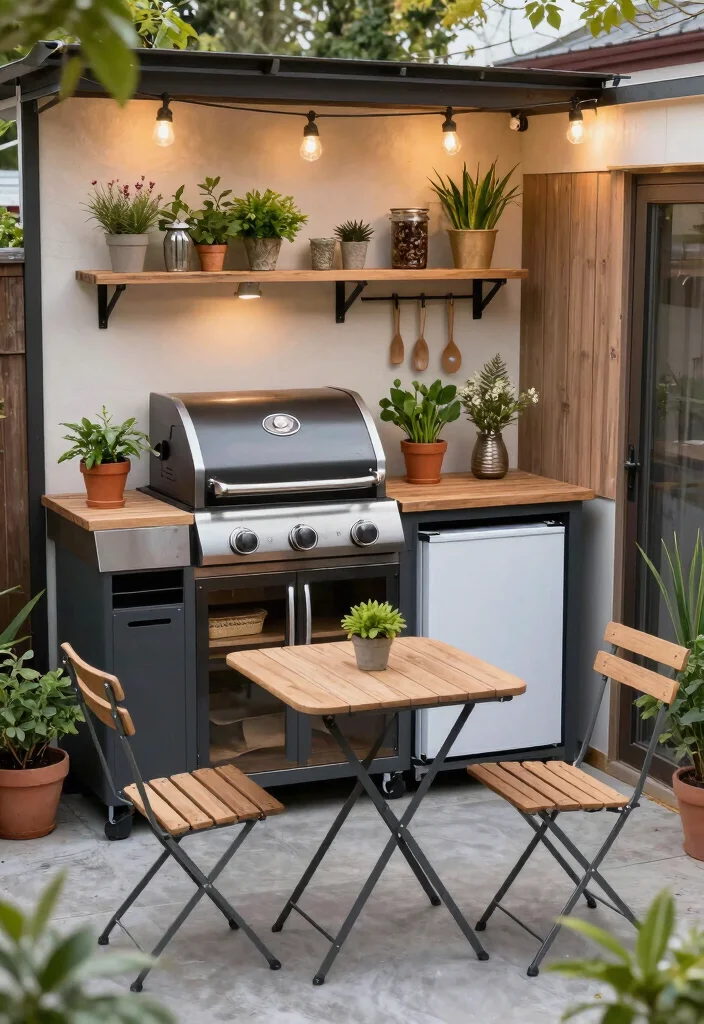
Compact outdoor cooking stations are perfect for smaller backyards or patios, maximizing functionality while conserving space. These setups often include a grill, a small prep area, and even a mini-fridge, providing everything you need in one efficient design. Utilizing vertical space through shelves or hanging racks for utensils can further optimize your cooking area.
Consider adding a foldable dining table for quick meals or intimate gatherings, enhancing the usability of your outdoor space. This design trend promotes efficient organization and offers budget-friendly options for outdoor cooking enthusiasts.
Advantages:
– Ideal for small spaces
– Encourages organized cooking areas
– Affordable and easy to maintain
Tips: Select appliances specifically designed for compact setups to ensure both efficiency and aesthetic appeal.
How To Choose the Right Outdoor Kitchen Design Ideas
Creating a beautiful and functional outdoor kitchen requires careful consideration. You want a space that suits your lifestyle while being sustainable and aesthetically pleasing. Here are some key points to help you make the best choices for your outdoor cooking spaces.
1. Space Considerations
Before diving into designs, assess the available space in your backyard. Consider how much room you have for cooking, dining, and entertaining. Take measurements to ensure all elements fit comfortably. Avoid overcrowding, which can lead to a cramped feeling. A good rule of thumb is to leave at least 3 feet of space around cooking stations for safety and movement.
2. Materials Selection
Choose materials that are not only stylish but also durable and eco-friendly. Opt for sustainable materials like bamboo, recycled metal, or reclaimed wood for countertops and cabinetry. These not only look great but also reduce environmental impact. Additionally, consider weather-resistant materials like stainless steel for appliances, which can withstand outdoor elements.
3. Layout and Functionality
Think about how you will use the space. Do you want a dedicated area for grilling, a bar for entertaining, or a full kitchen setup? A U-shape or L-shape layout often works well to maximize space while providing a natural flow for cooking and serving. Include features like a sink and refrigerator to enhance functionality. This design approach ensures an efficient outdoor cooking experience.
4. Energy Source
Decide on the type of appliances you want to include. Would you prefer a gas grill or an electric one? Each has its benefits. Gas grills heat up quickly and offer precise control, while electric grills are easier to maintain and often safer. You might also consider incorporating a wood-fired oven for a unique cooking experience. Weigh your options based on your cooking habits and energy availability.
5. Sustainability Features
Incorporate sustainable features into your outdoor kitchen design. Consider solar panels for powering appliances or energy-efficient lighting. Rainwater harvesting systems can be useful for watering plants around your outdoor cooking area. Additionally, utilize vertical gardens to grow fresh herbs and vegetables, promoting a farm-to-table lifestyle right in your backyard.
6. Comfort and Aesthetics
Comfort is key when it comes to outdoor dining setups. Include built-in seating areas with weather-resistant cushions to encourage relaxation and socializing. Pay attention to lighting as well—install string lights or lanterns to create a warm ambiance. Choose colors and decor that blend with your home’s exterior, ensuring a cohesive look that invites gathering and enjoyment.
Pro Tip: Always consider your local climate when designing your outdoor kitchen. If you experience harsh winters, include features like a covered patio or an outdoor fireplace to extend the usability of your cooking space year-round. This way, you can enjoy backyard entertaining no matter the season.
4. Rustic Charm with Natural Elements
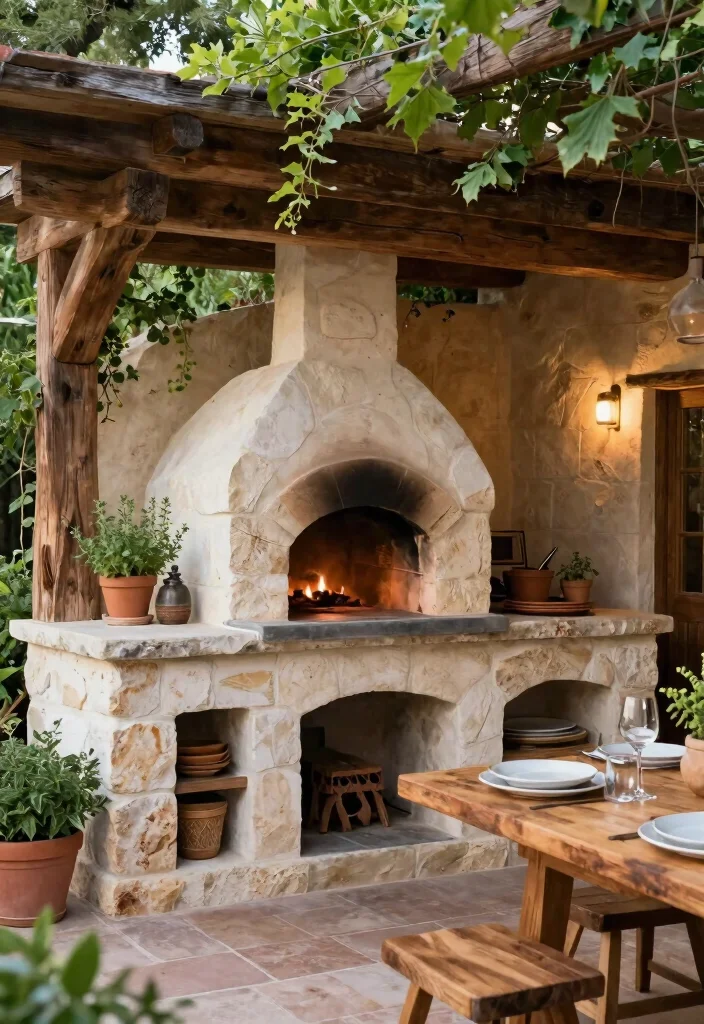
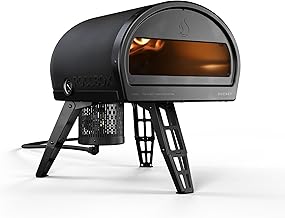
Infuse your outdoor kitchen with rustic charm by integrating natural materials such as stone, wood, and greenery. A stone pizza oven or wood-fired grill can serve as a stunning focal point, while wooden beams and natural stone countertops establish a warm, inviting atmosphere. Adding plants, whether through a vertical garden or potted herbs, enhances beauty and functionality in your cooking space.
This design approach offers a cozy, welcoming vibe, effortlessly blending with the outdoor environment. By using durable, timeless materials, you create a kitchen that stands the test of time.
Benefits of Rustic Designs:
– Creates a warm atmosphere
– Blends beautifully with nature
– Timeless and durable materials
Suggestions: Use locally sourced materials that complement your home’s architecture for a cohesive look.
Rustic Charm with Natural Elements
Editor’s Choice




5. Sustainable Water Features
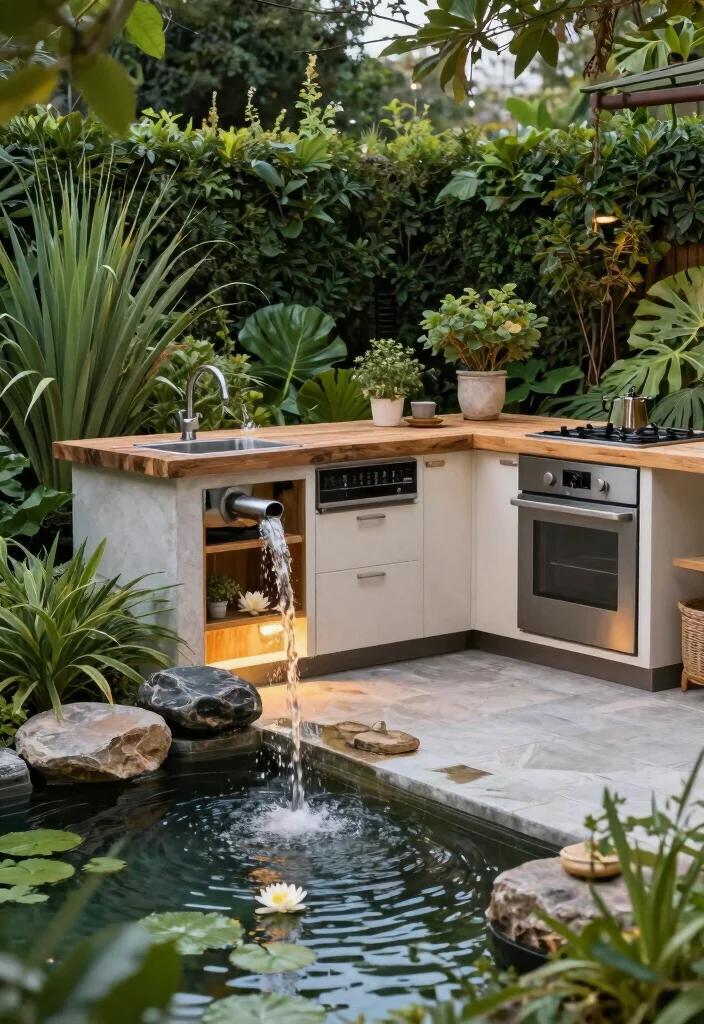
Incorporating sustainable water features into your outdoor kitchen enhances both aesthetics and functionality while promoting water conservation. Features like rainwater collection systems or eco-friendly fountains not only provide visual appeal but also serve practical purposes in cooking and gardening. Imagine a small pond or fountain that recycles water, creating a serene ambiance and attracting local wildlife.
Utilizing rainwater systems for irrigation can help maintain your garden sustainably, making your outdoor space more self-sufficient and eco-conscious. This thoughtful design choice aligns with modern sustainable living trends.
Key Insights:
– Reduces water usage
– Enhances visual appeal
– Supports local ecosystems
Tips: Surround your water features with native plants to minimize maintenance and ensure they thrive.
Sustainable Water Features
Editor’s Choice


6. Smart Technology Integration
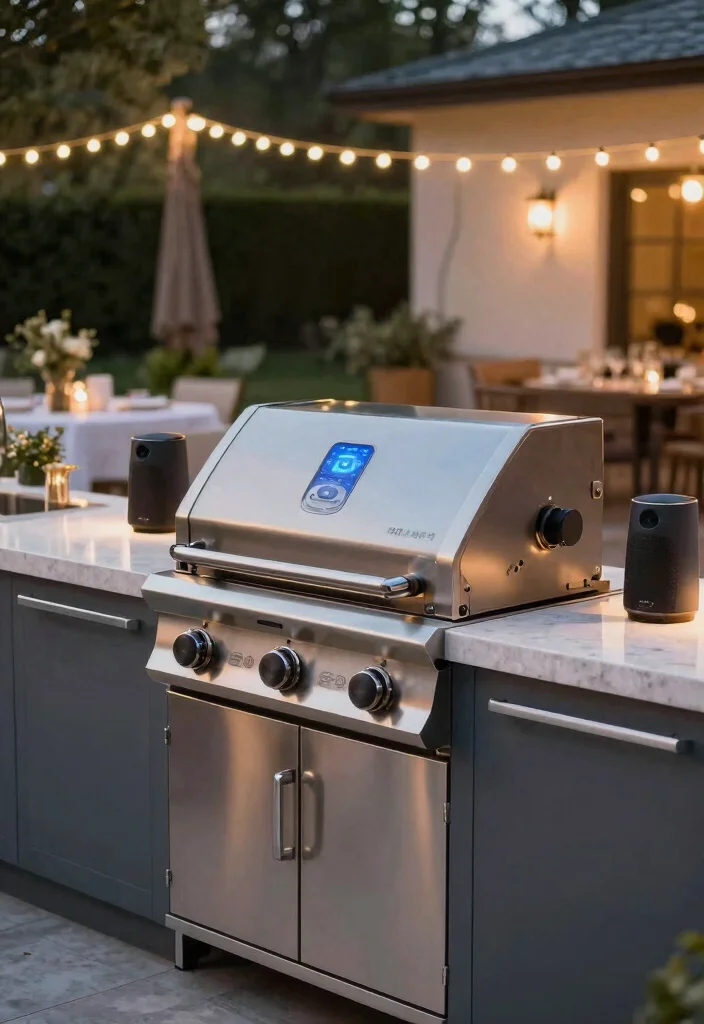
Smart technology is transforming outdoor kitchens, enhancing convenience and efficiency. Consider integrating smart grills, weather-resistant speakers, and outdoor refrigeration units that you can control via your smartphone. This setup allows for a seamless cooking experience, minimizing the need to run indoors.
Smart lighting can elevate the atmosphere, enabling you to adjust brightness and color to suit occasions, making your outdoor gatherings more enjoyable. This modern touch complements outdoor living trends while providing energy-saving options.
Benefits of Smart Tech:
– Increases convenience and efficiency
– Enhances entertaining experience
– Offers energy-saving solutions
Suggestions: Choose weatherproof devices specifically designed for outdoor use to ensure they last.
7. Built-in Seating Areas
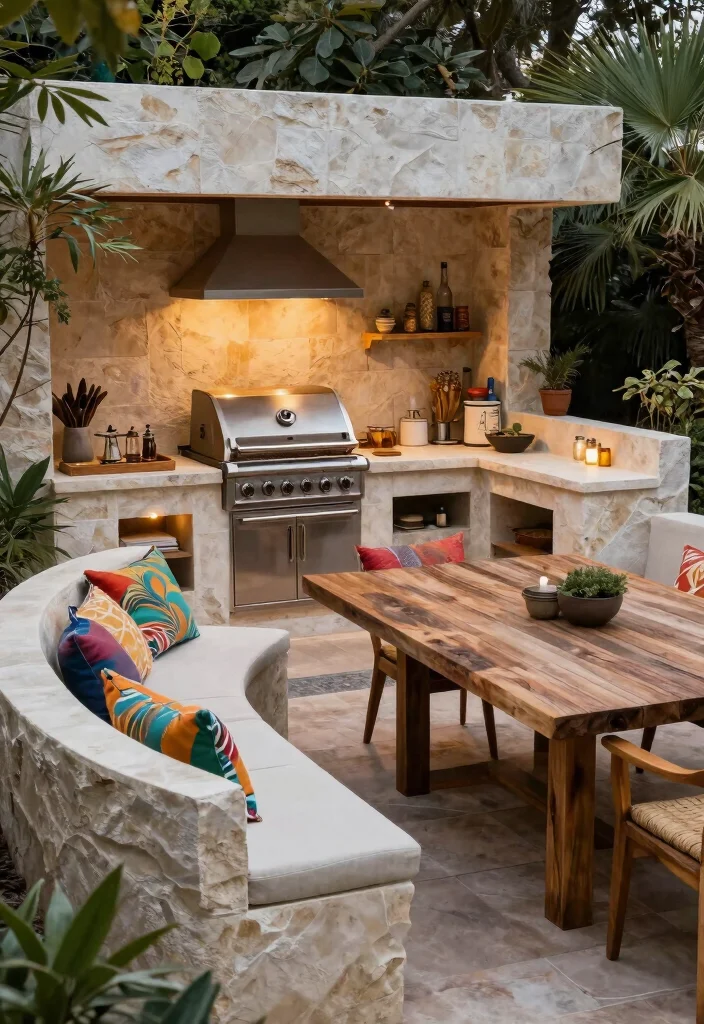
Creating built-in seating areas can significantly enhance your outdoor kitchen experience. This design saves space and fosters social interaction during cooking and dining. Consider a curved bench surrounding your grilling station or a bar-style seating area that seamlessly integrates with your kitchen counter.
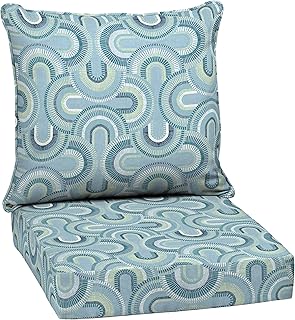
Cushions made from outdoor fabrics add comfort and style, making it an inviting spot for long conversations over meals. Built-in seating also allows for creative material use, such as stone or reclaimed wood, beautifully tying your kitchen together.
Advantages:
– Saves space while enhancing usability
– Promotes guest interaction
– Adds unique aesthetic elements
Tips: Choose durable materials that are low-maintenance and weather-resistant.
Built-in Seating Areas
Editor’s Choice



8. Aesthetic Lighting Solutions
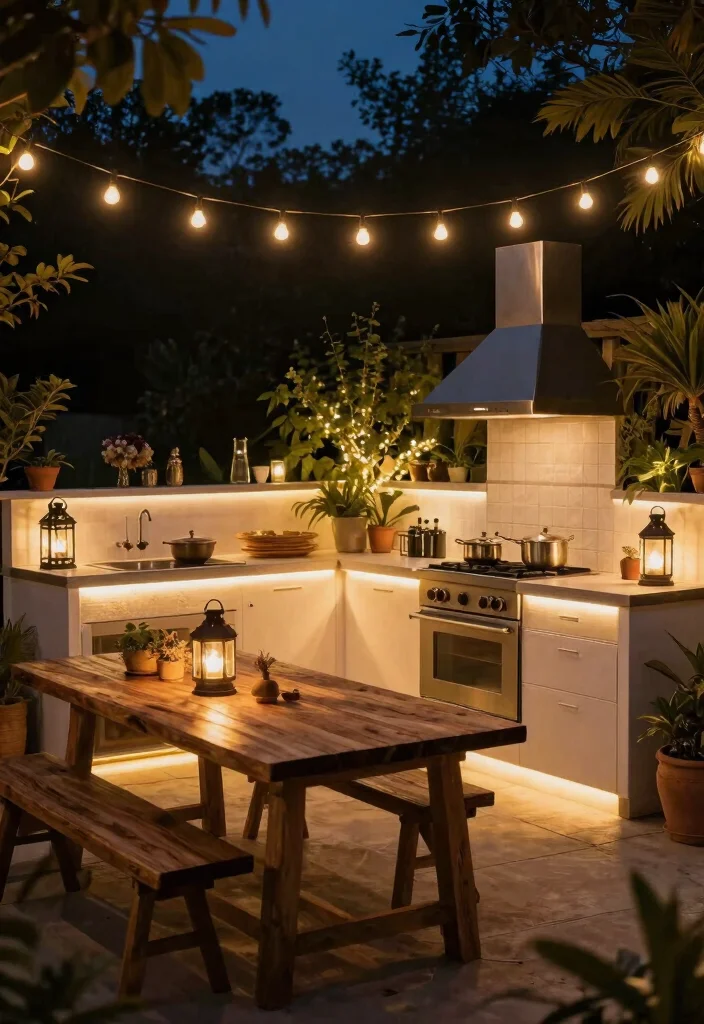
Lighting is crucial in outdoor kitchens, serving both functional and aesthetic purposes. Ambient lighting creates a warm atmosphere, while task lighting ensures safety and efficiency during cooking. Options like string lights, lanterns, and recessed lights can beautifully illuminate your space, making evening gatherings enjoyable.
Consider adding LED strip lights under counters or around seating for a modern touch. Solar-powered lights are eco-friendly and easily installed, enhancing your outdoor kitchen’s charm.
Benefits of Thoughtful Lighting:
– Enhances overall dining experience
– Ensures safety at night
– Provides energy-efficient solutions
Suggestions: Layer different lighting types to achieve depth and versatility in ambiance.
9. Vertical Gardens for Fresh Ingredients
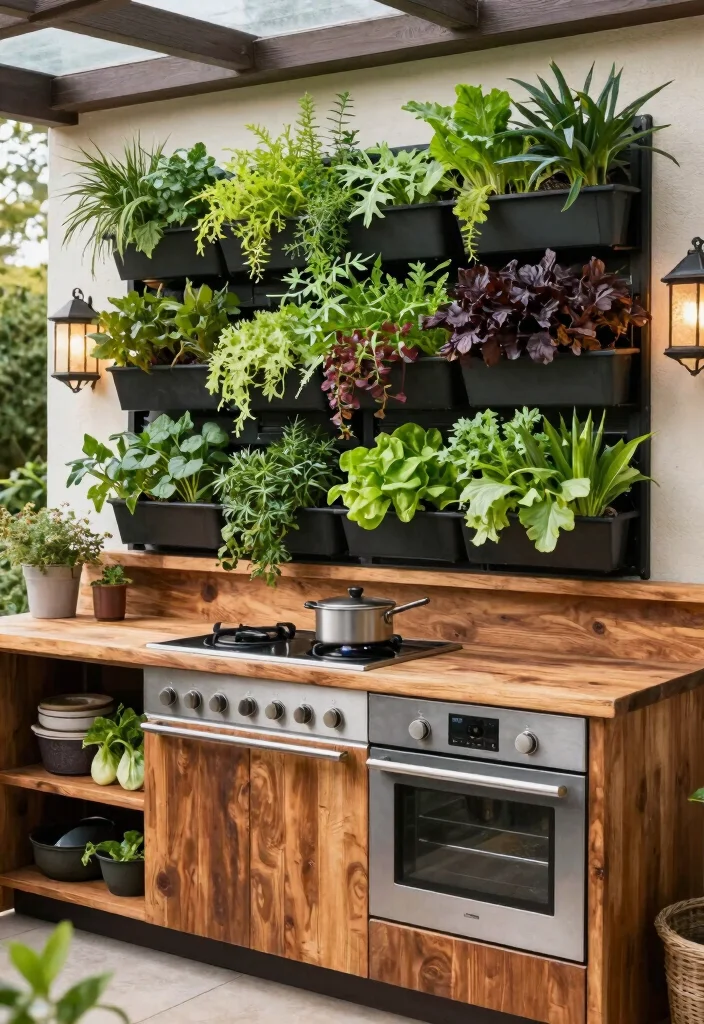
Incorporating vertical gardens into your outdoor kitchen design not only beautifies the space but also provides fresh herbs and vegetables right at your fingertips. These gardens can be easily integrated into wall-mounted planters or trellises, utilizing available vertical space effectively.
Opt for herbs like basil, mint, and thyme, which can elevate your cooking creations. This sustainable approach reduces your carbon footprint by allowing you to grow your own ingredients instead of buying them.
Advantages:
– Provides fresh ingredients
– Adds greenery while saving space
– Lowers grocery costs over time
Suggestions: Use high-quality soil and ensure adequate sunlight for optimal growth.
10. Open-Air Dining Areas
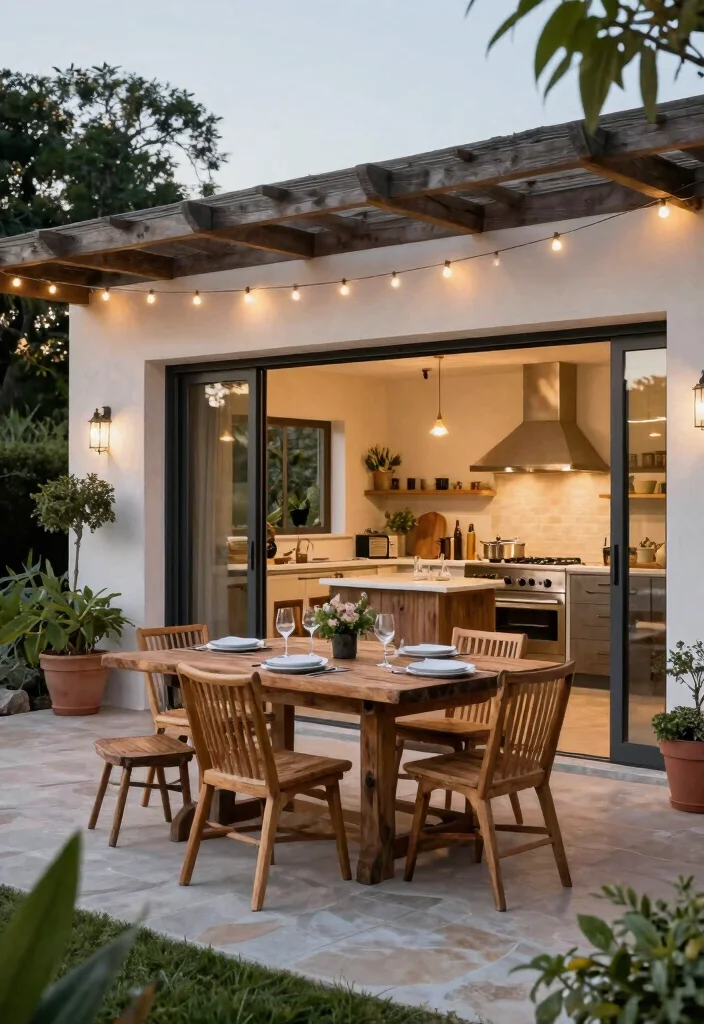
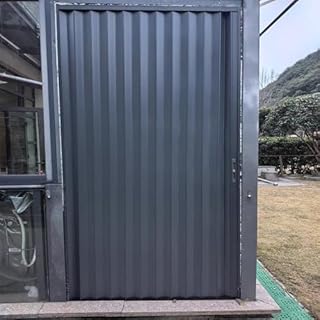
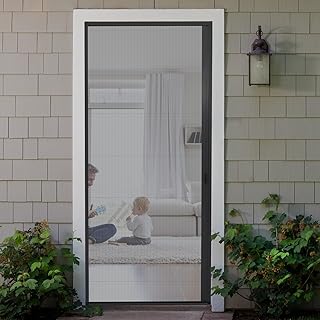
Designing an open-air dining area adjacent to your outdoor kitchen facilitates seamless transitions between cooking and enjoying meals. Consider incorporating large, retractable doors or shutters that open up the space, merging indoor and outdoor experiences beautifully.
Natural materials like wood and stone can help define the dining area while maintaining harmony with your outdoor kitchen. A shade structure, such as a pergola, can protect diners from sun and rain, making your space usable year-round.
Benefits of Open-Air Dining:
– Enhances outdoor living experience
– Provides flexibility for varied weather conditions
– Creates a relaxed atmosphere
Suggestions: Use weather-resistant furnishings for durability and comfort.
Open-air dining turns your outdoor kitchen design ideas into a living room you can cook in. Use large retractable doors to blend inside and out, define the space with wood and stone, and add a pergola to shield guests from sun and rain.
Open-Air Dining Areas
Editor’s Choice


11. Upcycled Furniture and Decor
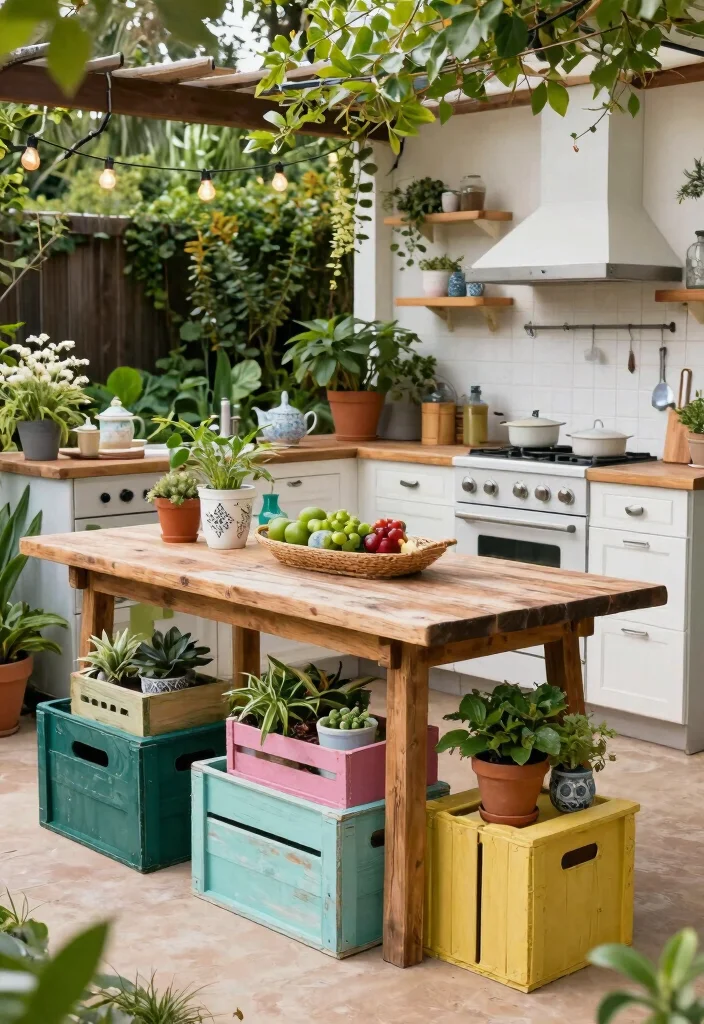
Upcycling furniture and decor for your outdoor kitchen adds a unique touch while promoting sustainability. Seek out old furniture pieces that can be creatively repurposed into seating, tables, or decorative accents. For instance, a weathered wooden table can transform into a rustic dining spot, while old crates can stylishly store grilling supplies.
Personal touches, like painted pots or handcrafted decorations, make your outdoor kitchen truly one-of-a-kind. This approach not only reduces waste but also allows for customization.
Advantages of Upcycling:
– Adds charm and character
– Minimizes environmental impact
– Cost-effective and fully customizable
Suggestions: Always apply weatherproof finishes to protect your upcycled pieces from the elements.
12. Multi-Functional Spaces
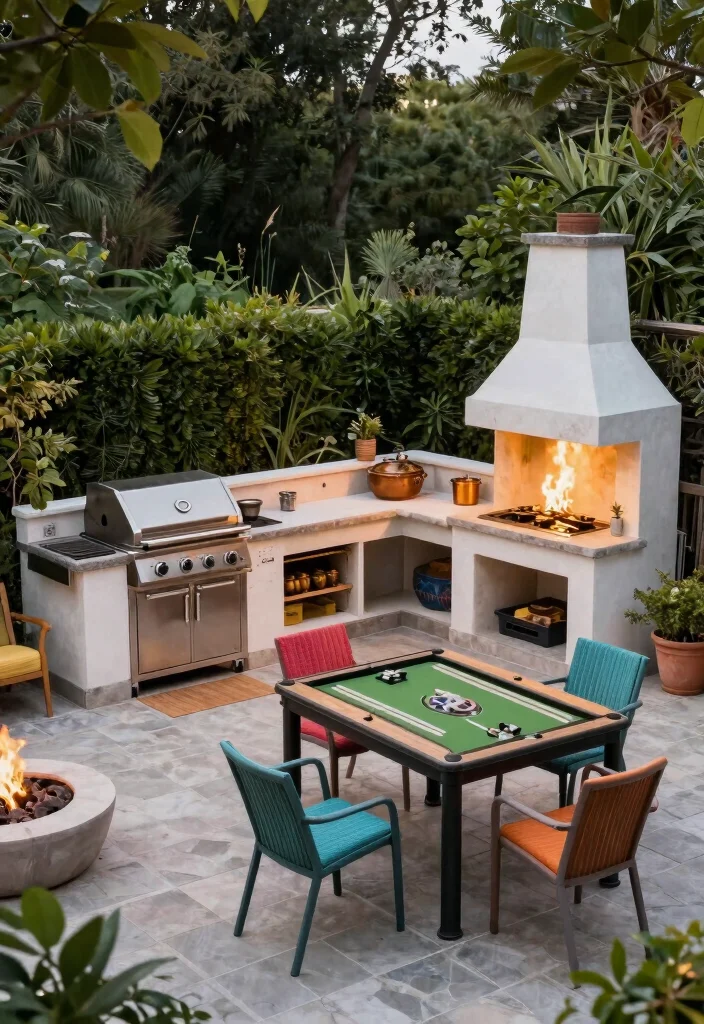
Designing multi-functional outdoor cooking spaces maximizes the versatility of your backyard. Combine your outdoor kitchen with a lounge area or fire pit for cozy evenings that invite social interactions, whether you’re grilling, dining, or simply relaxing by the fire.
Using versatile furniture, such as a dining table that doubles as a game table, enhances the utility of your space. This design encourages gatherings and creates a dynamic outdoor living experience.
Benefits of Multi-Functional Designs:
– Optimizes space usage
– Encourages varied gatherings
– Creates a more engaging outdoor atmosphere
Suggestions: Select easily movable and adaptable furniture for a flexible setup.
13. Outdoor Fireplaces
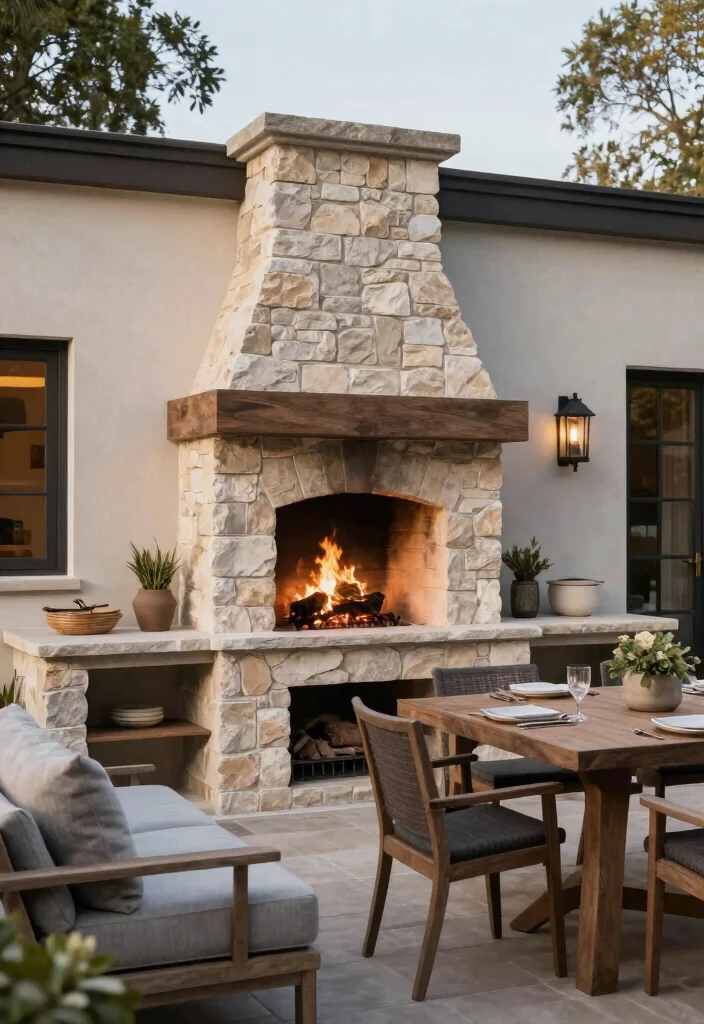
Integrating an outdoor fireplace into your kitchen enhances both functionality and ambiance. It serves as a stunning focal point for your outdoor space while providing warmth and light for evening gatherings. Choose a design that complements your kitchen’s aesthetic, whether it’s a modern fire pit or a classic stone fireplace.
This addition allows you to enjoy your outdoor area year-round, making it more inviting even in cooler weather. The right fireplace can add significant value to your property.
Key Benefits:
– Creates a cozy atmosphere for gatherings
– Extends outdoor kitchen usage throughout the year
– Increases property value
Tips: Ensure proper ventilation and safety measures are in place for the fireplace.
❝ An outdoor fireplace is the centerpiece that extends your entertaining season—think warmth, light, and conversation around a stylish focal point. Choose a design that complements your outdoor kitchen design ideas, from modern fire pits to classic stone, and start with safe placement and weather-ready materials.
14. Personal Touches with Decor
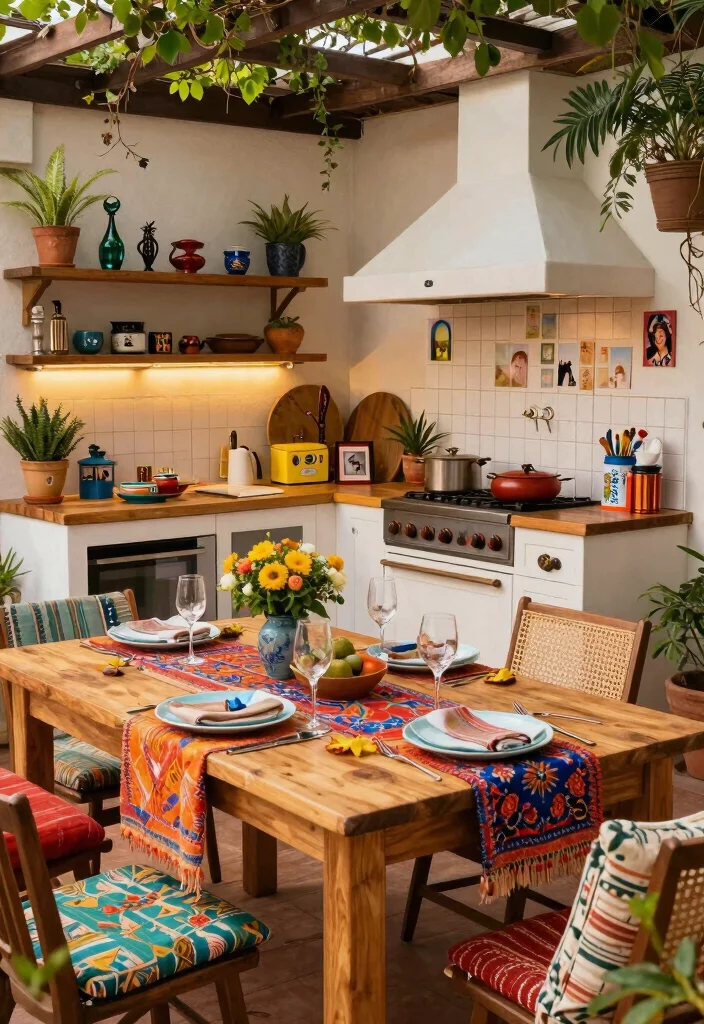
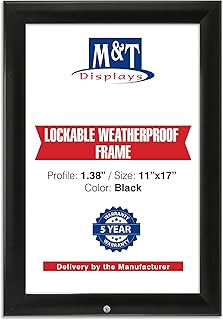
Incorporating personal touches into your outdoor kitchen decor makes the space uniquely yours. Display personal items like travel souvenirs, family photos in waterproof frames, or favorite artwork to create a welcoming atmosphere. Colorful table settings, vibrant textiles, and decorative lighting can further enhance the aesthetic appeal.
This attention to detail transforms your outdoor kitchen into a reflection of your personality, encouraging social interaction and memorable experiences for guests.
Advantages of Personal Decor:
– Makes your space feel inviting
– Reflects your style
– Creates memorable experiences
Suggestions: Opt for weather-resistant decor items to maintain their beauty over time.
Personal Touches with Decor
Editor’s Choice




Conclusion
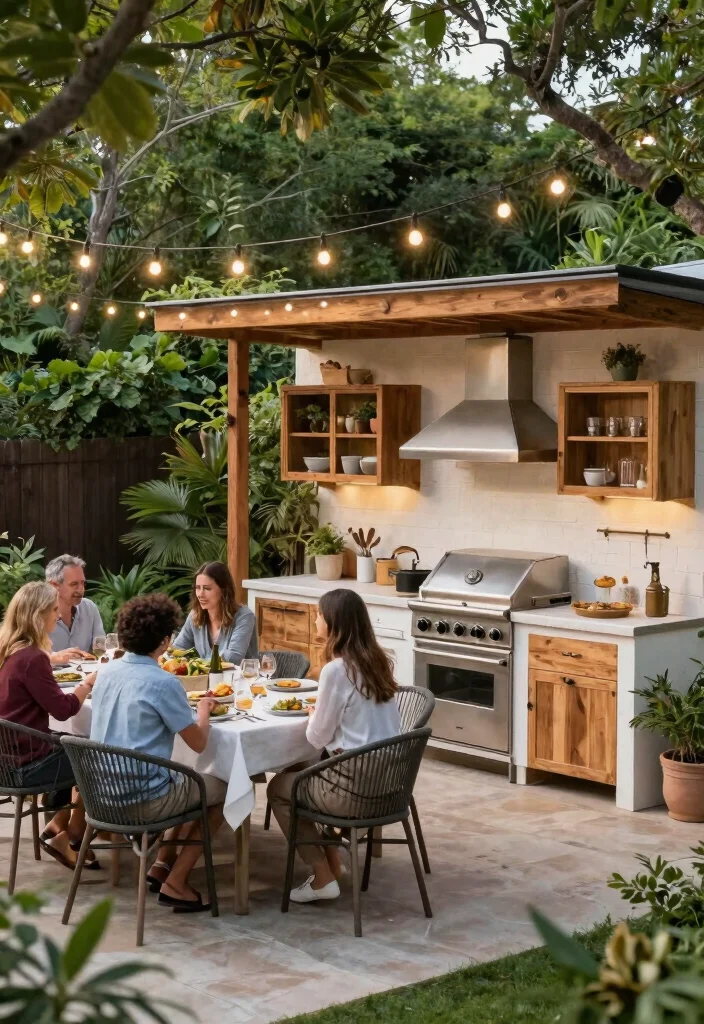
Now that you’ve explored these 14 outdoor kitchen design ideas, it’s time to envision how they could transform your backyard into a vibrant entertaining space. Whether you’re passionate about sustainable practices, looking for stylish decor, or functional designs, these ideas provide endless inspiration for new possibilities.
As you plan your outdoor cooking space, remember to blend functionality with personal style, making it a place where memories are created and friends gather. Ready to get started on your outdoor kitchen adventure?
Note: We aim to provide accurate product links, but some may occasionally expire or become unavailable. If this happens, please search directly on Amazon for the product or a suitable alternative.
This post contains Amazon affiliate links, meaning we may earn a small commission if you purchase through our links, at no extra cost to you.
Frequently Asked Questions
What are the most practical outdoor kitchen design ideas for a sustainable backyard?
Start with a plan that blends outdoor kitchen design ideas with sustainability. Define zones for cooking, prep, seating, and storage so kitchen layout ideas stay efficient in outdoor cooking spaces.
Choose durable, eco-friendly materials like reclaimed wood, stone, and stainless steel. Opt for energy-efficient appliances, and pair them with solar-powered lighting and rainwater considerations where possible. Add plants or a small herb garden to reduce trips to the store, and consider a compact compost bin to handle scraps. These steps create a stylish, low-maintenance outdoor hub for entertaining that stays friendly to the planet.
How can I arrange outdoor cooking spaces for smooth entertaining and practical kitchen layout ideas?
Think in zones: cooking, prep, seating, and storage should flow together so your kitchen layout ideas feel natural during gatherings. Place the grill and prep counter near the fridge or cooler for quick access, and add an island with seating to keep guests engaged without crowding the work area. Include weather-protected storage for utensils and reusable serveware to cut trips inside. Use outdoor cooking spaces that are easy to clean and maintain, and integrate outlets powered by efficient lighting or small solar panels to support appliances without stressing the grid. All of this boosts patio design inspiration and makes entertaining effortless.
What patio design inspiration tips help create a stylish yet low-maintenance outdoor kitchen?
For patio design inspiration that lasts, choose materials that resist weather and aging, like powder-coated metal, stone, and sealed concrete. Add a shade structure or pergola to extend outdoor time, and use backyard entertaining tips like built-in seating with storage to keep the space neat. Incorporate drought-tolerant plants and permeable paving to manage water wisely, plus energy-efficient lighting (LEDs or solar). Elevate the look with simple, cohesive colors and textures so your outdoor kitchen design ideas feel timeless and easy to maintain.
How can I set up outdoor dining setups that are comfortable year-round?
Create outdoor dining setups that invite guests in any season by focusing on comfort and versatility. Use weather-resistant dining furniture with cushioned, quick-dry cushions and a protected dining area from wind. Add a retractable shade or awning for sun control, and a fire pit or patio heater for cooler evenings. Layer lighting for ambiance and safety, and use a smart design rug to define the dining zone without tracking dirt inside. Finish with a durable dining table that can handle bold outdoor cooking spaces and leftover platters for a smooth backyard entertaining tips experience.
Which kitchen layout ideas optimize space and sustainability in a compact outdoor kitchen?
In a compact space, focus on a smart triangle between the grill, sink, and fridge for efficient kitchen layout ideas. Use a movable island or slim built-ins to extend work surfaces without crowding, and prioritize multi-functional units (shelving that doubles as prep space, or a grill cart with storage). Choose compact, energy-efficient appliances and outdoor cooking spaces that are easy to clean and weatherproof. Add vertical storage and magnetic strips for utensils to keep the countertop clear, making your outdoor kitchen design ideas practical and stylish even in a small footprint.